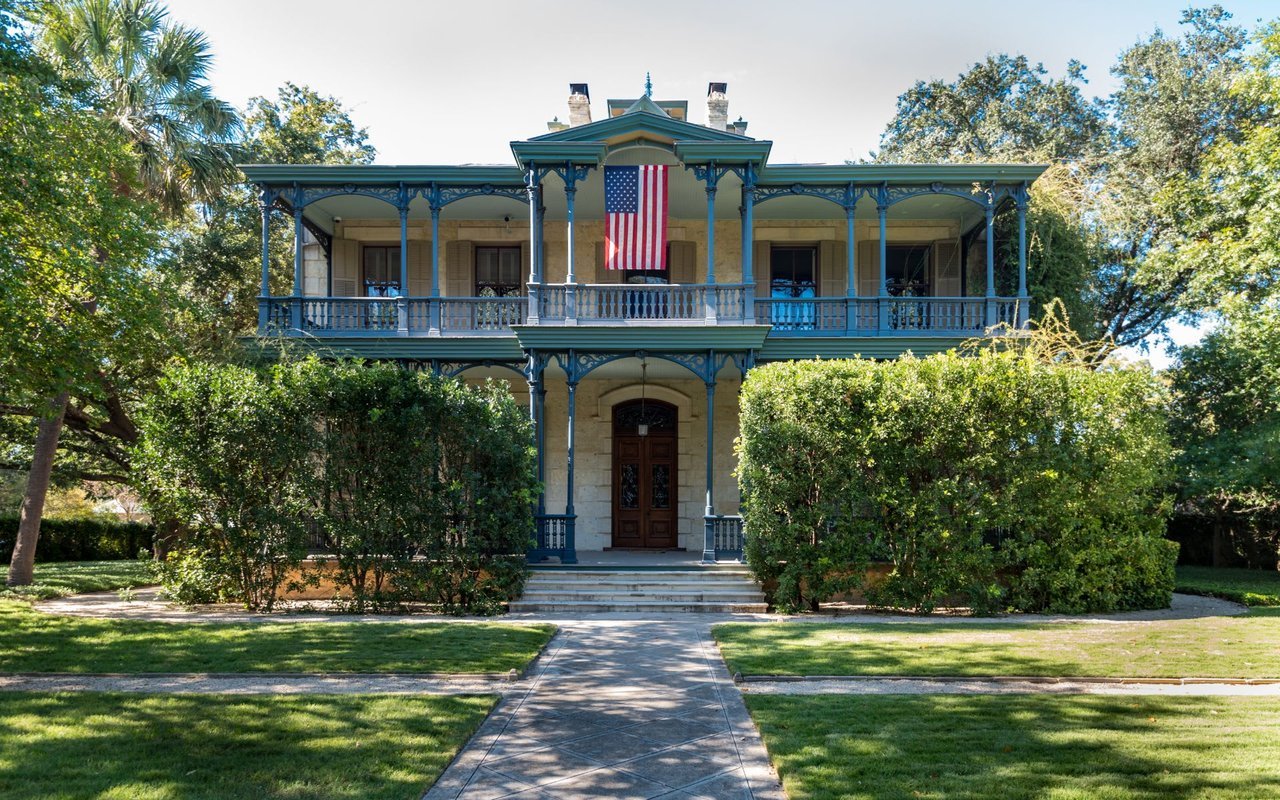
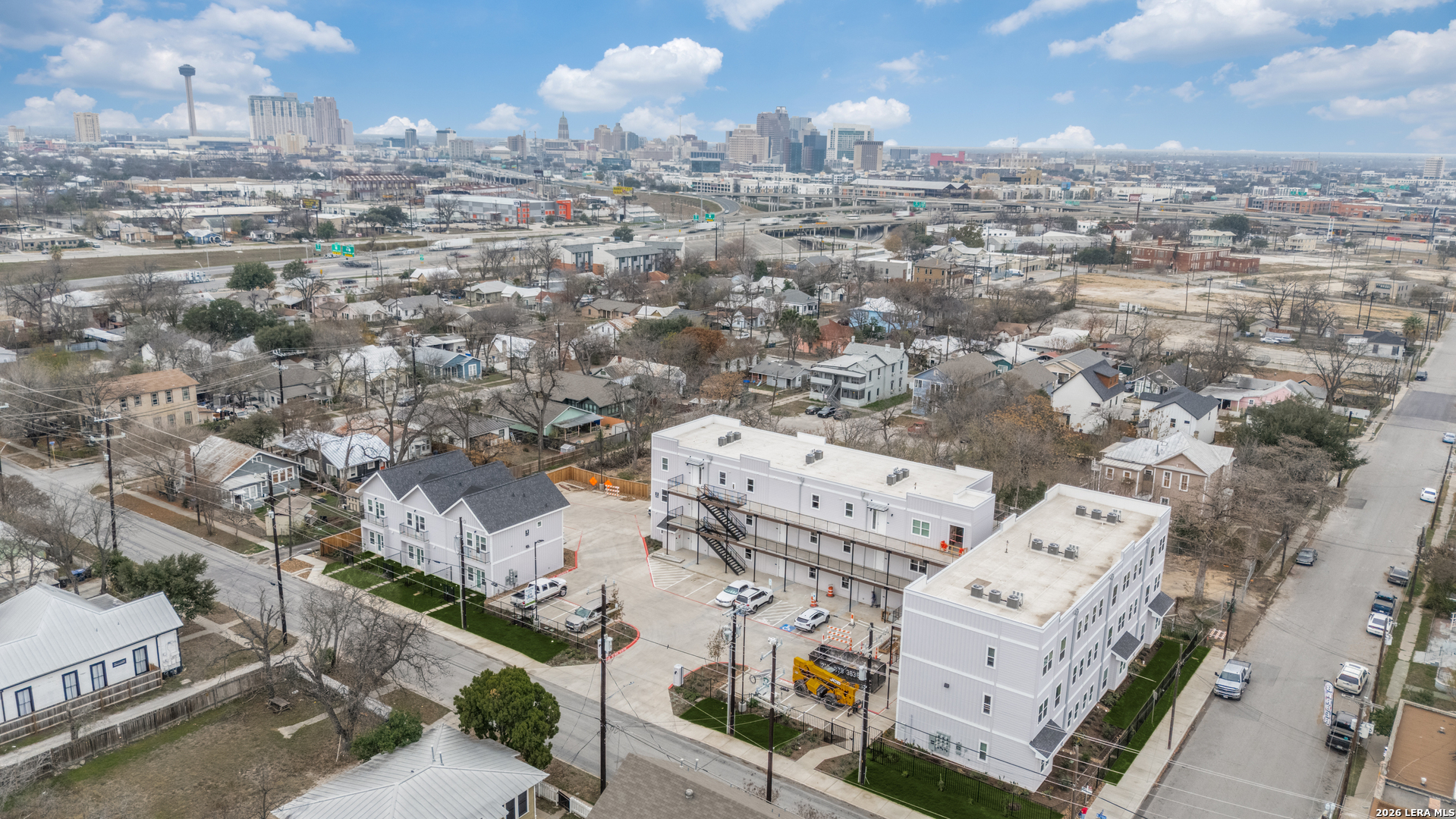
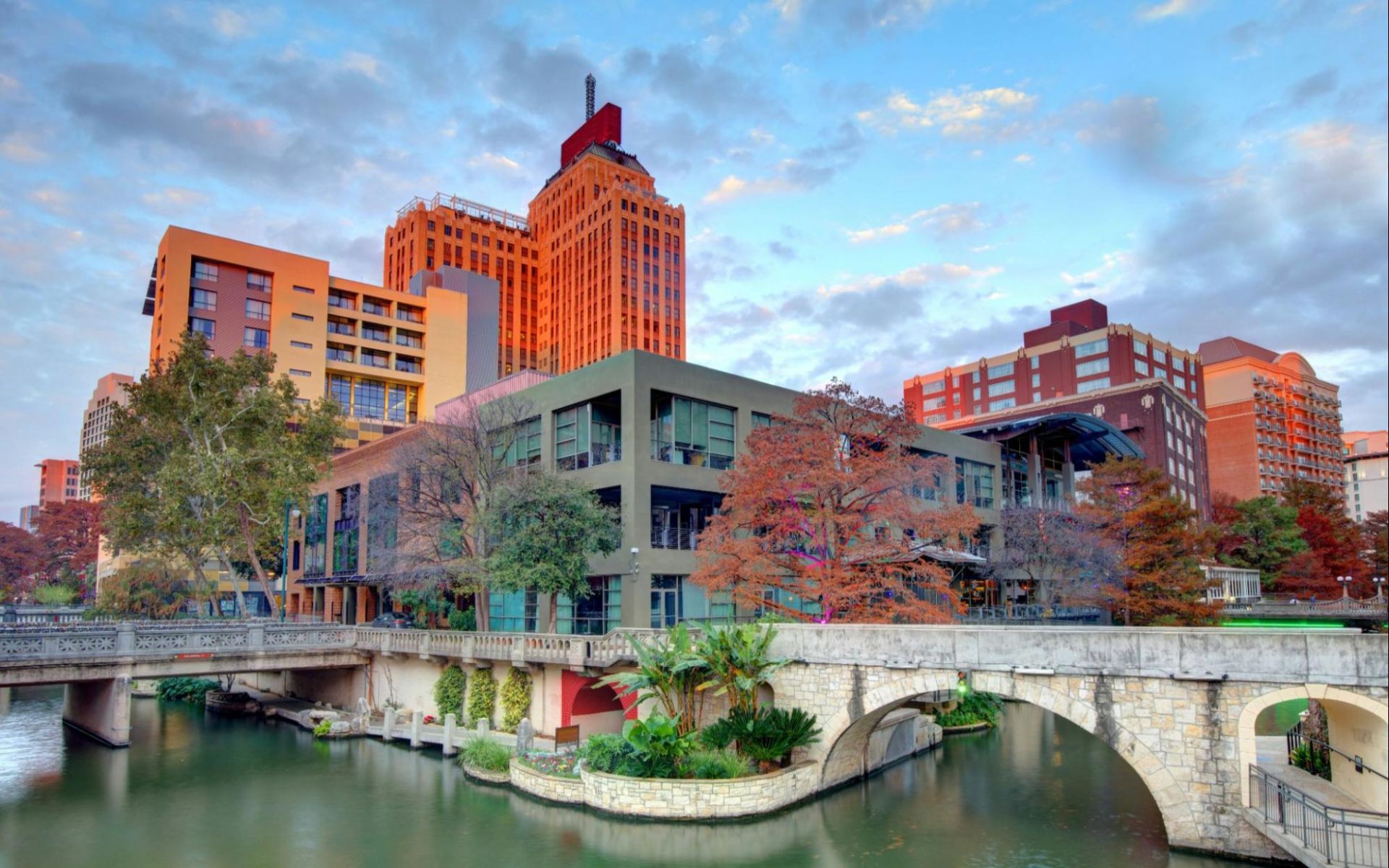
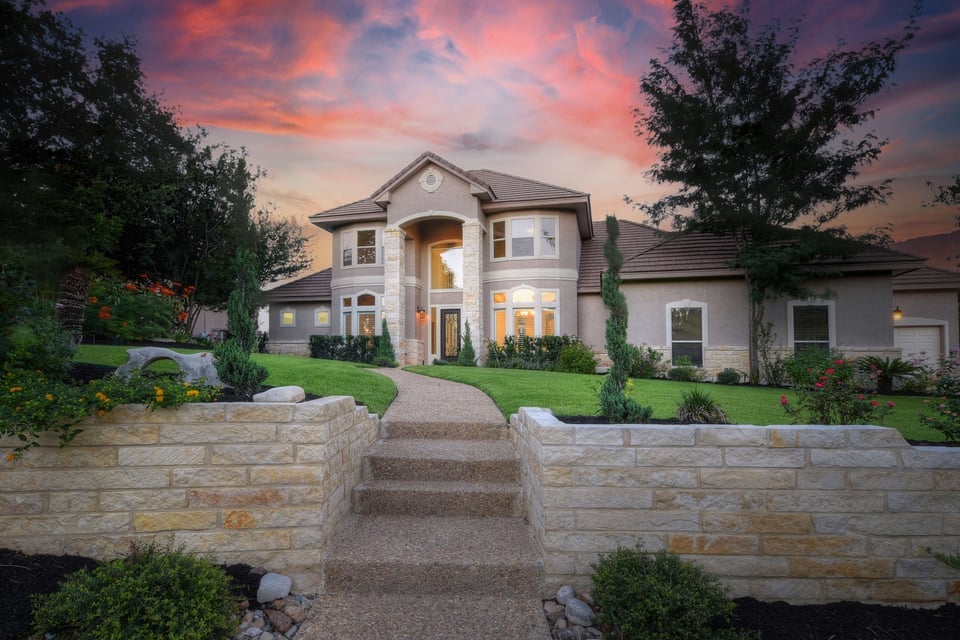
San Antonio blends rich history, cultural depth, and modern growth into one of Texas’s most dynamic metropolitan areas. Known for its iconic River Walk, historic missions, and diverse neighborhoods, the city attracts families, professionals, retirees, and investors seeking affordability, lifestyle variety, and long-term economic stability. San Antonio offers everything from urban living near downtown to master-planned communities and Hill Country-adjacent suburbs.
Located in South-Central Texas, San Antonio spans a large geographic footprint shaped by the San Antonio River, historic districts, and expanding suburban corridors. Residents enjoy access to major highways such as I-10, I-35, and Loop 1604, along with outdoor spaces like the River Walk, Mission Reach, and nearby Hill Country parks. From downtown condos and historic neighborhoods to gated communities and new construction on the city’s north and northwest sides, San Antonio’s real estate market supports a wide range of lifestyles and price points.
| Key Facts about San Antonio, TX | |
|---|---|
| Area | ~505 sq mi (city limits) |
| County | Bexar County |
| Founded | 1718 (one of Texas’s oldest cities) |
| Population (recent est.) | ~1.47 million (citywide) |
| Notable Areas | Downtown • River Walk • Alamo Heights • Stone Oak • The Dominion • Southtown • Medical Center |
| Signature Attractions | The Alamo • San Antonio River Walk • Missions National Historical Park • Pearl District • Spurs & professional sports • Cultural festivals |
| Main Roads | I-10 • I-35 • I-37 • Loop 1604 • Loop 410 |
From historic neighborhoods and urban condos to expansive suburban homes and Hill Country communities, San Antonio combines cultural heritage, modern amenities, and long-term livability—making it one of Texas’s most versatile and resilient real estate markets.
San Antonio sits at a strategic crossroads in South-Central Texas, positioned between Austin and the Texas Hill Country. The city is organized around multiple loop highways—Loop 410 and Loop 1604—with major interstates (I-10, I-35, I-37) supporting daily commuting across neighborhoods and regional travel throughout Texas.
Residents rely primarily on cars for day-to-day mobility, while public transit and alternative commuting options serve key corridors and employment centers. For long-haul travel, San Antonio International Airport (SAT) provides broad domestic service, and the city’s central location supports straightforward road access to Austin, Houston, and the broader region.
| Connectivity & Transportation — San Antonio, TX | |
|---|---|
| Location Map & City Overview | San Antonio is a major South-Central Texas metro anchored by a loop-and-spoke highway network. Loop 410 and Loop 1604 connect key districts, while I-10, I-35, and I-37 support cross-city commuting and regional travel toward Austin, Houston, and the Hill Country. |
| Nearby Areas & Communities |
|
| Attractions & Points of Interest |
|
| Public Transport |
|
| Road Access & Main Highways |
|
| Typical Drive Times* |
*Subject to traffic, construction & events
|
| Parking | Parking is widely available across San Antonio, with garages and lots concentrated downtown and around major attractions. High-demand periods include festivals and large events; popular areas like the River Walk and Pearl may be easier with garages or rideshare during peak evenings. |
| Walking & Cycling | Walkability is strongest in Downtown, Southtown, and the Pearl area. The River Walk and Mission Reach trails support scenic walking and cycling, while neighborhood greenways and parks expand recreational routes. |
| Taxi & Ride Apps | Uber and Lyft operate citywide, especially across entertainment districts and airport routes. Local taxi services and private car options are also available for events and group outings. |
| Airport Access |
|
| Accessibility & EV | Major attractions and venues generally support ADA access; confirm specifics for historic sites and older buildings. EV drivers will find Level 2 and DC fast charging across retail corridors, select downtown garages, and major shopping areas. |
San Antonio’s real estate market is driven by population growth, economic diversification, and long-term affordability relative to other major Texas metros. The city offers a broad mix of urban condos, established single-family neighborhoods, and large-scale new construction communities. As of mid–late 2025, the median home price in San Antonio is approximately $295K–$310K, with a median price per sq. ft. near $175. Homes typically spend 40–60 days on market, with desirable areas on the North Side and Northwest Corridor moving faster. Continued in-migration, military presence, and job growth support steady demand across both owner-occupied and rental segments.
| Property Type | Median Price (USD) | Price per Sq.Ft (USD) | Average Rent (USD/month) | Rental Yield |
|---|---|---|---|---|
| 2BR Condo / Urban Residence | $240,000 (est.) | $185 | $1,550 | 5.8% (est.) |
| 2–3BR Townhome | $285,000 (est.) | $175 | $1,750 | 5.4% (est.) |
| 3BR Single-Family Home | $335,000 (est.) | $170 | $2,050 | 5.2% (est.) |
| 4BR Newer Construction Home | $425,000 (est.) | $180 | $2,500 | 4.9% (est.) |
Methodology & Notes: Median pricing and $/sq.ft. estimates are based on 2025 San Antonio metro housing data applied to typical property sizes and locations. Rental figures reflect late summer 2025 averages across major submarkets. Yield estimates vary by neighborhood, home age, HOA presence, and proximity to employment centers.
Life in San Antonio blends historic character with modern convenience. From the River Walk and Pearl District to Hill Country-adjacent neighborhoods on the North and Northwest sides, the city offers a lifestyle defined by culture, food, family-friendly amenities, and year-round outdoor access. Loop 410 and Loop 1604 connect major districts, while walkable pockets downtown and along the river support an easy, experience-driven way of living.
South-Central Texas metro positioned between Austin and the Hill Country. Major mobility spines include I-10, I-35, I-37, Loop 410, and Loop 1604.
Warm and community-driven, with a mix of long-established neighborhoods and newer master-planned areas. Cultural heritage and local pride show up in festivals, markets, and neighborhood events.
A standout food city known for Tex-Mex and modern Mexican cuisine, plus chef-led dining at the Pearl, Southtown, and downtown. Food halls, coffee culture, and patios thrive year-round.
Multiple public districts (including NEISD, NISD, and others) plus charter and private options. Higher education includes UTSA and regional colleges; specialized programs vary by district and campus.
Broad range from downtown condos and historic bungalows to gated luxury communities and new construction. Premiums typically follow school zones, commute corridors, and Hill Country proximity.
Primarily car-oriented with major loop highways supporting cross-city travel. VIA transit serves key corridors, while walkability is strongest downtown, along the River Walk, and within the Pearl area.
Warm and mostly sunny with hot summers and mild winters. Spring and fall are highly livable outdoors; occasional heavy rain events occur, so drainage and flood considerations can matter by location.
Major healthcare networks, shopping corridors, and entertainment venues citywide. Signature districts like the River Walk and Pearl add culture, events, and destination-level dining.
Diverse and growing, with strong military, healthcare, education, and services employment. The city attracts families, remote workers, and relocations seeking value and lifestyle.
Affordability for a major metro, strong cultural identity, food scene, family-friendly neighborhoods, and easy access to Hill Country recreation and Austin-day-trip connectivity.
Heat and humidity in peak summer, car dependence in many neighborhoods, and traffic on major corridors during rush hours. Some areas require flood and drainage due diligence.
River trails and parks, greenway biking, golf, and weekend escapes to Hill Country. Popular options include Mission Reach, the San Antonio Botanical Garden, and regional lakes and trails.
San Antonio’s lifestyle combines heritage and momentum—iconic districts, a standout food scene, and a wide range of neighborhoods make it easy to find a pace that fits, from urban energy to Hill Country calm.
San Antonio offers a broad and well-rounded mix of amenities—from major healthcare systems and shopping destinations to cultural institutions, dining, and outdoor recreation. These features support everyday convenience while reinforcing the city’s appeal as a long-term place to live and invest.
Families in San Antonio are served by a range of public school districts, including North East ISD (NEISD), Northside ISD (NISD), San Antonio ISD (SAISD), and others, along with charter networks and private schools. Options span neighborhood elementary campuses, competitive middle and high schools, and mission-driven independent schools with academic, arts, and STEM-focused programs.
Many schools emphasize college readiness, AP and dual-credit coursework, career and technical education, and athletics. Magnet programs and specialized academies are available in select districts. Always confirm attendance zones, transfers, and enrollment requirements before making housing decisions.
| School / Preschool | Type | Location | Highlights |
|---|---|---|---|
| Stone Oak Elementary | Public (K–5) — NEISD | North San Antonio | Strong academics, family engagement, and access to nearby master-planned communities. |
| Leon Springs Elementary | Public (K–5) — NISD | Northwest San Antonio | Well-regarded neighborhood school serving growing residential areas. |
| Huebner Elementary | Public (K–5) — NISD | Northwest San Antonio | Focus on literacy, STEM enrichment, and student support services. |
| Barbara Bush Middle School | Public (6–8) — NEISD | North San Antonio | Academic electives, athletics, and strong feeder alignment to top high schools. |
| Hobby Middle School | Public (6–8) — NISD | Northwest San Antonio | Broad extracurriculars and academic pathways within a large district. |
| Reagan High School | Public (9–12) — NEISD | North San Antonio | High-performing campus with AP courses, athletics, and arts programs. |
| Clark High School | Public (9–12) — NISD | Northwest San Antonio | College-prep focus with strong academic and extracurricular offerings. |
| Alamo Heights High School | Public (9–12) — AHISD | Alamo Heights | Consistently high academic performance and community involvement. |
| BASIS San Antonio | Public Charter (5–12) | North Central San Antonio | Rigorous college-prep curriculum with national recognition. |
| Saint Mary’s Hall | Private (PK–12) | North Central San Antonio | Independent college-prep school with strong academics and arts. |
| Central Catholic High School | Private (9–12) | Central San Antonio | Catholic college-prep with academics, athletics, and leadership focus. |
| Children’s Garden Preschool | Private Preschool | North San Antonio | Play-based early learning with emphasis on social and cognitive development. |
| Montessori Programs (citywide) | Private Preschool / K | San Antonio | Montessori-inspired classrooms focusing on independence and hands-on learning. |
Districts: North East ISD (NEISD), Northside ISD (NISD), San Antonio ISD (SAISD), Alamo Heights ISD. Tip: School boundaries, magnet options, and transfer policies vary—always verify details directly with the district or school before enrolling.
San Antonio remains one of Texas’s most compelling long-term real estate markets, supported by steady in-migration, a diversified employment base, and affordability relative to other major metros. Demand is spread across multiple submarkets—from downtown and Pearl-area condos to North and Northwest single-family neighborhoods—creating a resilient mix of owner-occupied and rental opportunities. Over time, the city’s fundamentals (military presence, healthcare and education hubs, and expanding corporate and logistics footprints) help stabilize the market through different economic cycles.
Why San Antonio? Investors often value the combination of approachable entry pricing, consistent rental demand, and ongoing development along key corridors such as Loop 1604, US-281, and the I-35 spine toward Austin. Neighborhood performance varies by school zones, commute convenience, and proximity to lifestyle districts (Pearl, Southtown, River Walk), while newer construction communities can offer stronger inventory and modern amenities. Overall, San Antonio tends to favor steady, fundamentals-driven appreciation rather than extreme volatility, which can be attractive for long-term holds.
| Market Segment | Median Price | YOY Change | Days on Market |
|---|---|---|---|
| Downtown / Pearl Area | $260K–$450K (est.) | +2.0% to +5.0% (est.) | 35–60 days (est.) |
| North Side (Stone Oak / 281) | $360K–$650K (est.) | +2.5% to +6.0% (est.) | 25–50 days (est.) |
| Northwest (La Cantera / Dominion) | $420K–$1.2M+ (est.) | +2.0% to +5.5% (est.) | 30–65 days (est.) |
| Southtown / Midtown | $325K–$575K (est.) | +2.0% to +5.0% (est.) | 30–60 days (est.) |
San Antonio can offer compelling fundamentals for long-term investors, especially when targeting neighborhoods with consistent rental demand and strong lifestyle drivers. In many submarkets, well-priced listings attract solid interest, while newer communities along Loop 1604 can provide inventory advantages and modern floorplans that appeal to both tenants and owner-occupants. Returns often improve with thoughtful asset selection—balancing HOA costs, property taxes, maintenance profiles, and commute access to major employment centers.
Key Investment Highlights:
Whether targeting downtown condos near cultural anchors or single-family homes in high-demand North and Northwest corridors, San Antonio offers a practical blend of affordability, steady demand, and long-term livability. With careful due diligence on location, taxes, and property condition, investors can build durable performance while staying positioned for continued metro growth.
San Antonio offers a lifestyle defined by rich history, cultural depth, and everyday livability. From the iconic River Walk and historic missions to vibrant districts like Pearl and Southtown, the city blends old-world character with modern energy across a wide range of neighborhoods.
Housing options span downtown condos, historic homes, and master-planned communities in the North and Northwest corridors. Buyers benefit from relative affordability compared to other major Texas metros, with price variations driven by school districts, commute access, and proximity to lifestyle hubs.
Daily life in San Antonio includes year-round dining, festivals, and outdoor recreation. Residents enjoy access to parks and trails, the San Antonio River system, major shopping destinations, and a growing culinary scene. Strong healthcare systems, military bases, and employment centers support long-term stability and convenience.
With its balance of heritage, growth, and accessibility, San Antonio continues to attract full-time residents, relocating families, and long-term investors seeking a well-rounded Texas lifestyle.
Explore San Antonio Real Estate →San Antonio delivers a balanced lifestyle—affordable housing, cultural depth, and steady growth—making it a compelling place to live, invest, and put down roots.
1,458,950 people live in San Antonio, where the median age is 34.6 and the average individual income is $32,983. Data provided by the U.S. Census Bureau.
Total Population
Median Age
Population Density Population Density This is the number of people per square mile in a neighborhood.
Average individual Income
There's plenty to do around San Antonio, including shopping, dining, nightlife, parks, and more. Data provided by Walk Score and Yelp.
Explore popular things to do in the area, including La Milpa, Chillin' Rabbit Frozen Treats, and Frida’s Taqueria.
| Name | Category | Distance | Reviews |
Ratings by
Yelp
|
|---|---|---|---|---|
| Dining | 0.08 miles | 2 reviews | 2.5/5 stars | |
| Dining | 0.11 miles | 0 reviews | 0/5 stars | |
| Dining | 0.25 miles | 22 reviews | 3.4/5 stars | |
| Dining | 0.45 miles | 1 review | 1/5 stars | |
| Dining | 0.63 miles | 0 reviews | 0/5 stars | |
| Dining | 0.71 miles | 0 reviews | 0/5 stars | |
| Dining | 0.8 miles | 7 reviews | 4.4/5 stars | |
| Dining | 1.04 miles | 0 reviews | 0/5 stars | |
| Dining | 1.04 miles | 0 reviews | 0/5 stars | |
| Dining | 1.14 miles | 0 reviews | 0/5 stars | |
| Dining | 1.18 miles | 1 review | 3/5 stars | |
| Dining | 1.27 miles | 0 reviews | 0/5 stars | |
| Dining | 1.33 miles | 0 reviews | 0/5 stars | |
| Shopping | 0.27 miles | 0 reviews | 0/5 stars | |
| Shopping | 0.99 miles | 0 reviews | 0/5 stars | |
| Active | 0.11 miles | 0 reviews | 0/5 stars | |
| Active | 0.11 miles | 1 review | 5/5 stars | |
| Active | 0.86 miles | 0 reviews | 0/5 stars | |
| Beauty | 0.11 miles | 0 reviews | 0/5 stars | |
| Beauty | 0.42 miles | 1 review | 3/5 stars | |
| Beauty | 0.64 miles | 0 reviews | 0/5 stars | |
| Beauty | 0.78 miles | 2 reviews | 3/5 stars | |
| Beauty | 0.97 miles | 4 reviews | 2/5 stars | |
|
|
||||
|
|
||||
|
|
||||
|
|
||||
|
|
||||
|
|
San Antonio has 547,883 households, with an average household size of 2.62. Data provided by the U.S. Census Bureau. Here’s what the people living in San Antonio do for work — and how long it takes them to get there. Data provided by the U.S. Census Bureau. 1,458,950 people call San Antonio home. The population density is 2,927 and the largest age group is Data provided by the U.S. Census Bureau.
Total Population
Population Density Population Density This is the number of people per square mile in a neighborhood.
Median Age
Men vs Women
Population by Age Group
0-9 Years
10-17 Years
18-24 Years
25-64 Years
65-74 Years
75+ Years
Education Level
Total Households
Average Household Size
Average individual Income
Households with Children
With Children:
Without Children:
Marital Status
Blue vs White Collar Workers
Blue Collar:
White Collar: