By The Herrera Team
Whether you've just moved into a new home in San Antonio or you're getting ready to sell, home improvement projects have a way of piling up, and so does the question of who should actually do the work. Should you hire a contractor or tackle it yourself? The honest answer is that it depends on the project, your skill level, your timeline, and what's actually at stake if something goes wrong. Here's how to think through it clearly.
Key Takeaways
- DIY works well for low-skill, low-risk projects, but can cost more than hiring a pro if mistakes are made
- Electrical, plumbing, structural, and permit-required work should almost always go to a licensed contractor
- In San Antonio, contractors must be licensed through the Texas Department of Licensing and Regulation
- Getting multiple bids and a written contract are essential steps before hiring anyone
When DIY Makes Sense
There's a real category of home improvement tasks where doing it yourself is a smart call. These are projects that don't require permits, don't involve systems that affect the structural integrity or safety of the home, and don't demand specialized tools or training. Done well, DIY on the right projects saves money and can be genuinely satisfying.
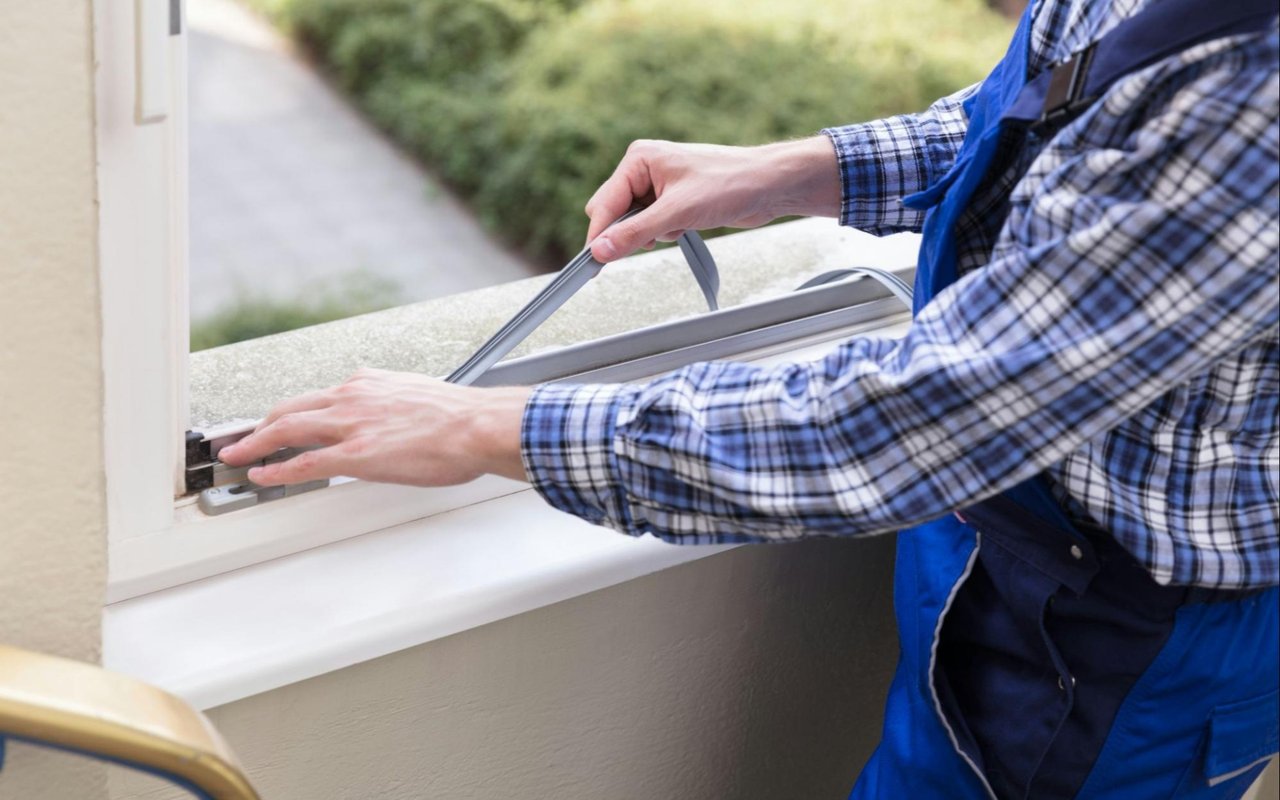
Painting a room, replacing cabinet hardware, or refreshing caulk around a tub are all reasonable DIY territory for a homeowner who's willing to take the time to do them properly. The key word is properly. A rushed or poorly executed DIY job often costs more to fix than hiring a professional would have cost in the first place.
Projects That Are Generally Safe To DIY
- Interior painting, including walls, trim, and ceilings
- Minor landscaping, mulching, and garden bed work
- Replacing light fixtures, outlet covers, or switch plates in existing electrical boxes
- Patching small drywall holes and touch-up repairs
- Installing shelving, blinds, or other non-structural interior fixtures
When You Should Hire a Contractor
The clearer the potential for serious damage — to the home, to its systems, or to the people living in it — the more important it is to bring in a professional. In San Antonio, certain types of work also require permits from the City of San Antonio Development Services Department, and unpermitted work can create real problems when it comes time to sell.
Electrical work beyond basic fixture swaps, plumbing beyond a simple faucet replacement, any structural changes, roof work, and HVAC installation or major repair all fall into contractor territory. These aren't just technically complex but carry liability. A mistake in any of these areas can void homeowner's insurance coverage, create code violations, or result in a stop-work order that requires a licensed contractor to resolve before the project can move forward.
Projects That Require A Licensed Contractor
- Electrical panel upgrades, new circuit installation, or any work that opens walls to reach wiring
- Plumbing rough-in, sewer line work, or gas line modifications
- Structural changes including load-bearing wall removal or additions
- Roof replacement or significant repair
- HVAC system installation, major repair, or ductwork modification
How To Vet a Contractor in San Antonio
Once you've decided a project needs a pro, the quality of who you hire matters as much as the decision to hire at all. In Texas, contractors in many trades are required to hold a license through the Texas Department of Licensing and Regulation (TDLR). Verifying a contractor's license through the TDLR website before signing anything is a basic step that many homeowners skip.
Beyond licensing, ask for proof of insurance and at least two or three references from recent comparable projects. Get a minimum of three written bids before committing, and make sure the final contract clearly outlines scope of work, materials, timeline, and payment schedule. Never pay the full amount upfront.
What To Confirm Before Hiring Any Contractor
- Active license in good standing through the TDLR license search tool
- Proof of general liability insurance and workers' compensation coverage
- A written contract with scope, timeline, materials, and payment milestones clearly defined
- Confirmation of who is responsible for pulling permits — it should be the contractor, not you
The Middle Ground: Knowing Your Own Limits
The most common DIY mistake isn't choosing the wrong project but underestimating what a project actually involves once you're in it. Hidden water damage behind a wall, outdated wiring that doesn't meet current code, a subfloor that needs replacing before the new tile can go down — these are the kinds of surprises that turn a weekend project into a multi-week ordeal.
One practical approach is to start a project yourself and build in a clear decision point: if you open a wall and find something unexpected, or if the job requires tools or skills you don't have, you call a pro. Many San Antonio contractors are accustomed to stepping into partially completed projects and can give you a realistic assessment of what finishing the work will take.
Questions To Ask Yourself Before Starting Any Project
- Have I done this before, or am I learning as I go on a project that affects a major system?
- Does this project require a permit, and do I know how to pull one and schedule inspections?
- What's the realistic cost of fixing a mistake, and can I absorb that if things go wrong?
- Do I have the time to complete this properly, or will it sit half-finished for weeks?
FAQs
Should I hire a contractor for small jobs or can I always DIY those?
Small doesn't always mean simple. A small plumbing job or a minor electrical fix can still require a permit or carry real risk if done incorrectly. Use the nature of the work to decide. Cosmetic and non-system projects are generally fine to DIY; anything touching electrical, plumbing, or structure deserves a second look.
How do I verify a contractor is licensed in San Antonio?
Texas contractors in regulated trades are licensed through the Texas Department of Licensing and Regulation. You can search their license status directly on the TDLR website using the contractor's name or license number. The City of San Antonio Development Services Department is also a resource for confirming local permit and registration requirements.
Does unpermitted work affect my home's value when I sell?
It can. Unpermitted work may need to be disclosed, can complicate appraisals, and may require remediation before closing. If you're planning to sell your San Antonio home and have concerns about past work done without permits, we recommend addressing it proactively rather than waiting for it to surface during the transaction.
Contact The Herrera Team Today
Whether you're preparing your home for sale or just settling into a new one, knowing when to DIY and when to call a pro is one of the best tools you can have as a homeowner. We work with San Antonio homeowners every day and are happy to share what we've seen make a difference in home value and marketability.
Reach out to us at The Herrera Team and let us help you think through your next move.