By The Herrera Team
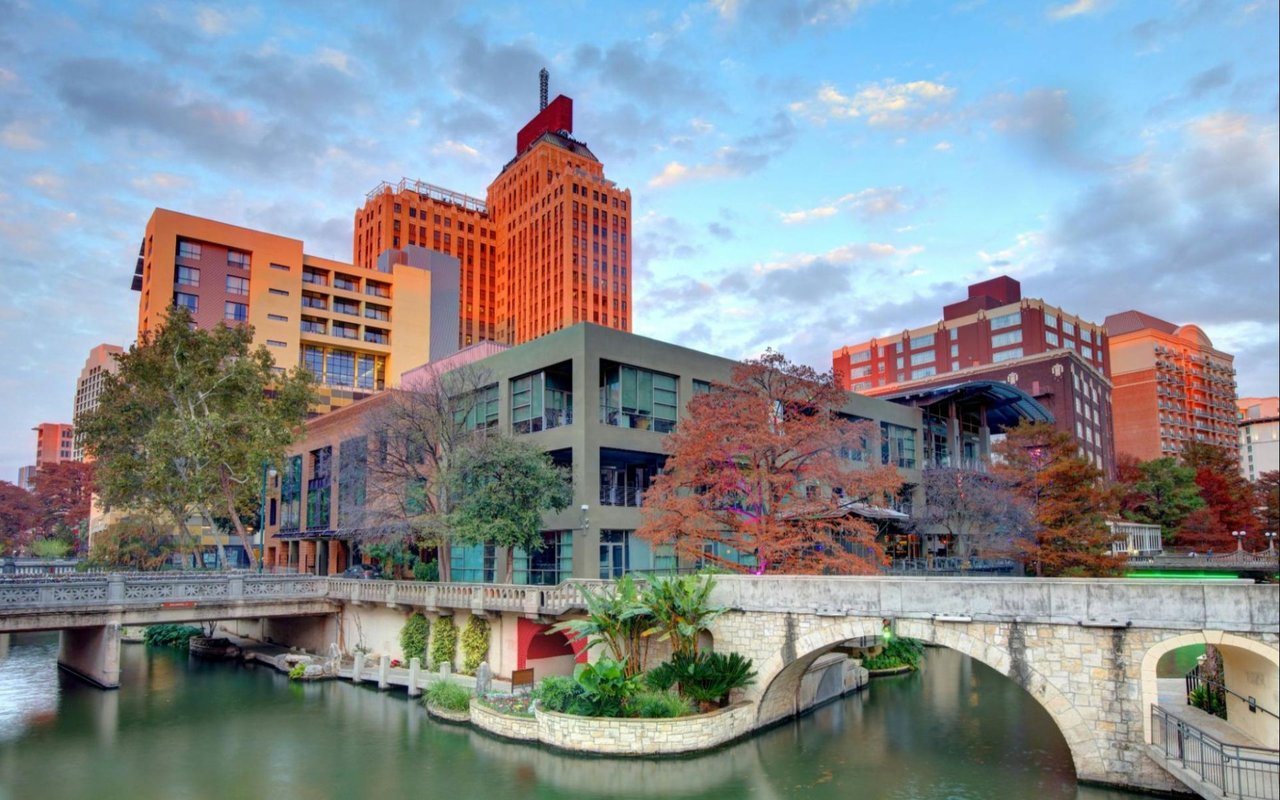
San Antonio has one of the most remarkable collections of historic residential architecture in Texas, and owning a piece of it comes with rewards that newer construction simply can't offer. The craftsmanship, the character, the established streets lined with old-growth trees, and the proximity to the River Walk, The Pearl, and downtown make neighborhoods like King William, Monte Vista, and Lavaca genuinely special places to live. But historic homes in San Antonio, TX, also come with a specific set of responsibilities that every buyer should understand before making an offer.
Key Takeaways
-
Historic properties in San Antonio are subject to design review oversight from the City's Office of Historic Preservation
-
Exterior modifications in locally designated historic districts require a Certificate of Appropriateness before work begins
-
Several tax incentive programs can significantly offset the cost of rehabilitation
-
Finding contractors experienced with pre-1960s construction methods is one of the most important steps in owning a historic home
Know Which Neighborhoods Are Locally Designated
San Antonio has dozens of historic districts, and understanding whether a property sits within a locally designated district determines what rules apply to you as an owner. Locally designated historic districts come with design review requirements that non-designated older neighborhoods do not.
Some of the city's most sought-after historic districts include King William, recognized as Texas's first designated historic district and listed on the National Register of Historic Places since 1972; Monte Vista, one of the largest historic districts in the country, featuring homes built largely between 1890 and 1930; Lavaca, located southeast of downtown with homes dating to the late 1800s and early 1900s; and Dignowity Hill on the east side. Each has its own architectural character and price range, and each operates under the City's historic preservation guidelines.
Some of the city's most sought-after historic districts include King William, recognized as Texas's first designated historic district and listed on the National Register of Historic Places since 1972; Monte Vista, one of the largest historic districts in the country, featuring homes built largely between 1890 and 1930; Lavaca, located southeast of downtown with homes dating to the late 1800s and early 1900s; and Dignowity Hill on the east side. Each has its own architectural character and price range, and each operates under the City's historic preservation guidelines.
What Distinguishes San Antonio's Most Notable Historic Districts
-
King William: Victorian and Italianate grand mansions south of downtown, close to the River Walk and Blue Star Arts Complex, homes generally ranging from $400K to $600K and above
-
Monte Vista: Eclectic estate-style homes north of downtown, built by oilmen and cattle barons
-
Lavaca: Smaller-scale homes from the late 19th and early 20th centuries, a more accessible entry point into historic ownership near downtown
-
Dignowity Hill: One of the east side's established historic neighborhoods, with growing buyer interest and strong long-term appreciation potential
Understand The Certificate of Appropriateness Process
If your property is within a locally designated historic district or is an individually designated landmark, any exterior modification requires approval from the City of San Antonio's Office of Historic Preservation (OHP) before work begins. This approval comes in the form of a Certificate of Appropriateness, or COA.
The COA process applies to a wide range of exterior work, including changes to windows, doors, roofing, siding, fencing, and additions. Interior modifications are generally not subject to OHP review. The guidelines are designed to protect the character-defining features of historic properties while allowing for responsible rehabilitation. Reviewing the City's Historic Design Guidelines early in any project is strongly encouraged, and the OHP offers free design consultations to help property owners navigate proposed changes before submitting a formal application.
The COA process applies to a wide range of exterior work, including changes to windows, doors, roofing, siding, fencing, and additions. Interior modifications are generally not subject to OHP review. The guidelines are designed to protect the character-defining features of historic properties while allowing for responsible rehabilitation. Reviewing the City's Historic Design Guidelines early in any project is strongly encouraged, and the OHP offers free design consultations to help property owners navigate proposed changes before submitting a formal application.
Common Exterior Projects That Require A COA In San Antonio
-
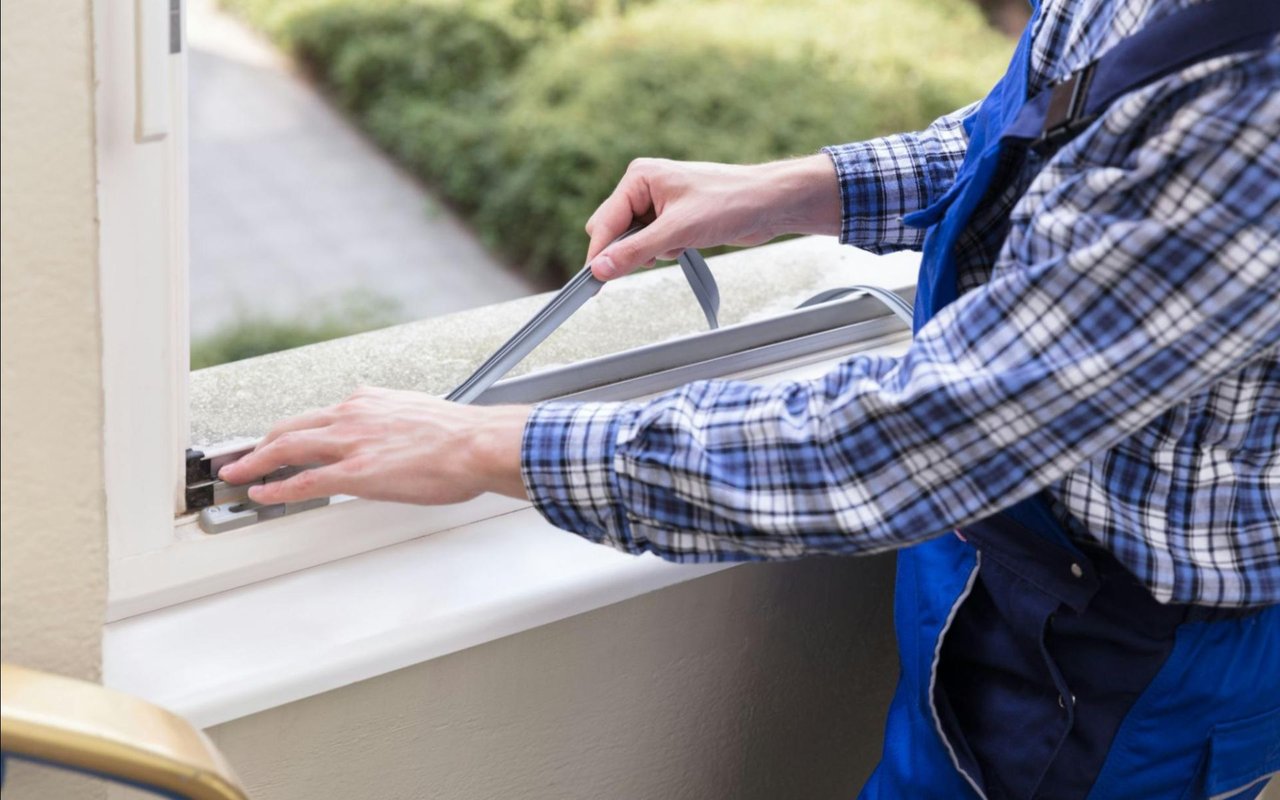
Window replacement or alteration — the OHP generally prefers repair over replacement for historic wood windows
-
Additions to the structure, including rear additions and accessory dwelling units
-
Roof replacement, particularly when changing materials from what was historically used
-
Fence installation or modification along street-facing frontages
-
Demolition of any portion of a contributing structure within a historic district
Take Advantage of Available Tax Incentives
One of the most compelling aspects of owning a historic home in San Antonio is the range of financial incentives available to help offset rehabilitation costs. The City's substantial rehab tax incentive program freezes city property taxes at the pre-rehabilitation assessed value for the first five years after an approved project is completed, then assesses taxes at half the post-rehab appraisal for up to an additional five years.
At the state level, the Texas Historic Preservation Tax Credit offers 25% of eligible rehabilitation costs as a tax credit for buildings listed on the National Register of Historic Places. For income-producing properties, a federal 20% rehabilitation tax credit may also apply. These programs require that work be done in accordance with the Secretary of the Interior's Standards for Rehabilitation, which the OHP uses as its evaluation framework.
At the state level, the Texas Historic Preservation Tax Credit offers 25% of eligible rehabilitation costs as a tax credit for buildings listed on the National Register of Historic Places. For income-producing properties, a federal 20% rehabilitation tax credit may also apply. These programs require that work be done in accordance with the Secretary of the Interior's Standards for Rehabilitation, which the OHP uses as its evaluation framework.
Steps To Access Historic Preservation Tax Incentives In San Antonio
-
Confirm the property's designation status, whether locally designated, National Register listed, or both
-
Engage the OHP early in your rehabilitation project to make sure your plans align with the Standards for Rehabilitation
-
Apply for the substantial rehab tax incentive through the OHP after your project receives the necessary approvals and inspections
-
Consult a tax professional about eligibility for state and federal rehabilitation tax credits before beginning major work
Find The Right Contractors For Historic Work
One of the most practical challenges of owning a historic home in San Antonio is finding contractors who know how to work with older construction methods and materials. Pre-1960s homes were built differently, with techniques, materials, and structural approaches that require specialized knowledge to repair and maintain properly. A contractor who is experienced with standard new construction may not be the right fit for a Victorian-era masonry building or a 1920s Craftsman bungalow.
The City's Office of Historic Preservation maintains a Rehabber Club — a network of contractors, tradespeople, and historic homeowners — and the Conservation Society of San Antonio offers resources including a Historic Homeowner Fair, an annual event that connects homeowners with preservation experts and knowledgeable tradespeople. These are practical starting points when assembling your team.
The City's Office of Historic Preservation maintains a Rehabber Club — a network of contractors, tradespeople, and historic homeowners — and the Conservation Society of San Antonio offers resources including a Historic Homeowner Fair, an annual event that connects homeowners with preservation experts and knowledgeable tradespeople. These are practical starting points when assembling your team.
Key Trade Specialties To Look For In Historic Home Contractors
-
Masonry repair experience, particularly with limestone, caliche block, and historic mortar repointing
-
Wood window restoration, a specialty the OHP actively supports through workshops and the Rehabber Club
-
Foundation assessment experience specific to older pier-and-beam and stone foundation systems
-
Familiarity with the COA process and the Secretary of the Interior's Standards for Rehabilitation
FAQs
Do all exterior changes on a historic home in San Antonio require approval?
If your property is within a locally designated historic district or is an individually designated landmark, yes — exterior modifications require a Certificate of Appropriateness from the City's Office of Historic Preservation before work can begin. Interior work is generally not subject to this review. The OHP offers free design consultations to help owners plan projects that will meet the guidelines.
What tax benefits are available for rehabilitating a historic home in San Antonio?
The City offers a substantial rehab tax incentive that freezes city property taxes at the pre-rehab assessed value for up to 10 years following an approved rehabilitation. The State of Texas offers a Historic Preservation Tax Credit worth 25% of eligible rehab costs for National Register properties. A federal 20% tax credit is also available for income-producing certified historic structures. We recommend consulting a tax professional to determine which programs apply to your specific situation.
What should I inspect before buying a historic home in San Antonio?
Beyond a standard home inspection, we recommend engaging specialists for foundation assessment, electrical and plumbing systems, roofing, and any masonry elements. Older homes often have deferred maintenance in systems that have been updated piecemeal over decades. It's also worth confirming the property's historic designation status and reviewing any COA history before closing, so you understand the full picture of what the home will require.
Contact The Herrera Home Today
Historic homes in San Antonio are some of the most rewarding properties to own, and some of the most complex to navigate. We work with buyers throughout San Antonio's historic neighborhoods and bring the local knowledge and experience that these transactions require.
Reach out to us at The Herrera Team. We'd love to help you find the right historic home and guide you through every step of the process.
Reach out to us at The Herrera Team. We'd love to help you find the right historic home and guide you through every step of the process.